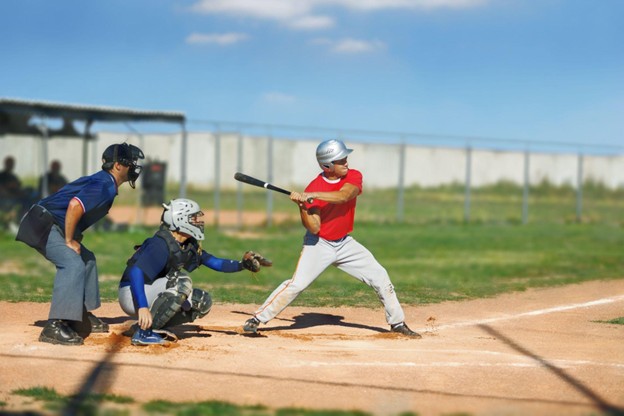
As winter recedes and anticipation begins to rise, Sam Coquillard emphasizes that Spring Training represents renewal rather than routine preparation. Before standings carry consequences and postseason narratives take shape, the preseason creates a controlled environment where rhythm is rebuilt and expectations quietly reset.
Spring Training exists in contrast to the intensity of the regular season. It is slower, more deliberate, and rooted in process. The urgency that defines summer baseball has not yet arrived. Instead, the game breathes.
A Controlled Environment for Refinement
The regular season magnifies everything. Performance is tracked daily. Momentum swings dominate headlines. Statistical fluctuations become defining storylines.
Spring Training removes that amplification.
Games unfold without long-term consequences. Pitchers experiment with grips and sequencing. Hitters test subtle timing adjustments. Defensive alignments shift without fear of immediate cost.
This environment prioritizes refinement:
- Bullpen sessions emphasize location over velocity.
- Batting practice focuses on mechanics rather than power displays.
- Infield drills stress communication and positioning.
- Conditioning regimens restore stamina gradually.
Without scoreboard pressure dictating urgency, preparation becomes intentional rather than reactive.
The Architecture of a Season
A 162-game schedule demands structural integrity. Success over that span is usually planned. It is engineered through repetition, calibration, and collective discipline.
Spring Training builds that framework.
Coaches evaluate roster depth. New players integrate into existing systems. Tactical adjustments are rehearsed repeatedly until instinctive. Each session layers upon the last, forming a foundation that sustains momentum later in the year.
Several elements define this construction phase:
- Rotational planning ensures the durability of pitches.
- During situational simulations, defensive coordination plays a key role.
- There are communication systems in place within the clubhouse.
- Leadership dynamics are emerging organically.
These factors rarely receive attention during high-stakes moments, yet they determine resilience when adversity inevitably surfaces.
The Value of Repetition
Repetition in baseball is not monotonous; it is strategic.
Fielding drills repeat ground balls dozens of times. Catchers refine framing techniques incrementally. Pitchers throw controlled sessions to regain rhythm after offseason rest. Hitters track pitches carefully before engaging in full swings.
Each repetition serves a purpose:
- Muscle memory stabilises mechanics.
- Timing adjustments become consistent.
- Confidence builds gradually.
- Errors are corrected before they compound.
Spring Training offers the time necessary for this work. During the regular season, refinement must occur between games. In the preseason, it becomes the primary focus.
Accessibility and Observation
One defining characteristic of Spring Training is proximity. Practices occur on open fields. Warmups remain visible. Instruction unfolds within earshot.
This closeness alters perspective.
Without the distraction of packed stadiums and amplified entertainment, attention shifts to nuance. The sound of the bat cracking sharpens. The cadence of defensive communication becomes audible. The precision of a bullpen session feels deliberate rather than routine.
The observational advantage reveals subtleties:
- The subtleties include the placement of feet during double-play turns.
- Players make minor adjustments to their batting stance.
- Pitchers and catchers engage in a strategic dialogue.
- The conditioning drills follow a measured tempo.
These details underscore that baseball excellence emerges from accumulated refinement rather than dramatic moments alone.
Psychological Reset and Collective Optimism
Spring Training resets more than mechanics. It resets mindset.
The previous season’s outcome, regardless of its narrative weight, recedes into context. Focus shifts toward possibility rather than retrospection. Optimism emerges naturally because results remain unwritten.
This psychological renewal manifests clearly:
- Conversations center on lineup possibilities.
- Attention moves toward emerging talent.
- Analysis prioritizes improvement over critique.
- Speculation revolves around strategic depth rather than postseason projection.
The absence of standings creates emotional neutrality. Without pressure to defend or redeem, the team operates in a constructive space.
Community Without Urgency
The atmosphere surrounding Spring Training often feels communal rather than competitive. Spectators observe rather than react intensely. Discussions unfold casually. The environment invites reflection.
That shared experience fosters connection.
Families attend with patience. Longtime supporters exchange historical context. Newcomers observe without intimidation. The sport feels accessible and transparent.
Within this environment:
- Generational knowledge transfers informally.
- Strategic nuances become shared discoveries.
- Baseball feels participatory rather than distant.
The preseason setting reinforces that the game is not only about peak moments. It is about continuity.
Development Beyond the Spotlight
Spring Training also highlights depth within the organization. While established players refine their roles, younger prospects pursue opportunities.
Competition exists, but it unfolds constructively. Roster spots are earned through consistency rather than singular performances. Evaluation emphasises readiness, adaptability, and composure.
This developmental focus clarifies several realities:
- Sustainable success depends on depth.
- Internal competition strengthens overall performance.
- Long-term strategy extends beyond marquee names.
- Preparation must account for inevitable challenges.
By observing this layer of development, fans witness the ecosystem supporting headline talent.
The Discipline Beneath Spectacle
When the regular season begins, attention shifts rapidly toward wins, losses, and momentum swings. The discipline cultivated during Spring Training recedes into the background.
Yet it remains foundational.
The durability displayed during late-season stretches traces back to early conditioning. Defensive cohesion reflects preseason drills. Strategic adaptability stems from experimentation conducted weeks earlier.
Spring Training does not determine standings. It determines readiness.
The ritual endures because it provides clarity. It reveals the architecture beneath performance. It exposes the discipline beneath spectacle. It highlights the patience required for sustained excellence.
Renewal in this context is neither symbolic nor sentimental. It is practical. It is structured. It is earned through deliberate repetition.
By the time Opening Day arrives, preparation has already shaped the trajectory. The desert quiet gives way to amplified expectation, but the groundwork remains embedded within each inning.
Spring Training may unfold without urgency, but its influence extends across the entire season. It offers a reminder that in baseball, progress is rarely immediate. It is cumulative.
And that cumulative process measured, patient, and quietly exacting is what transforms anticipation into resilience once the regular season truly begins.